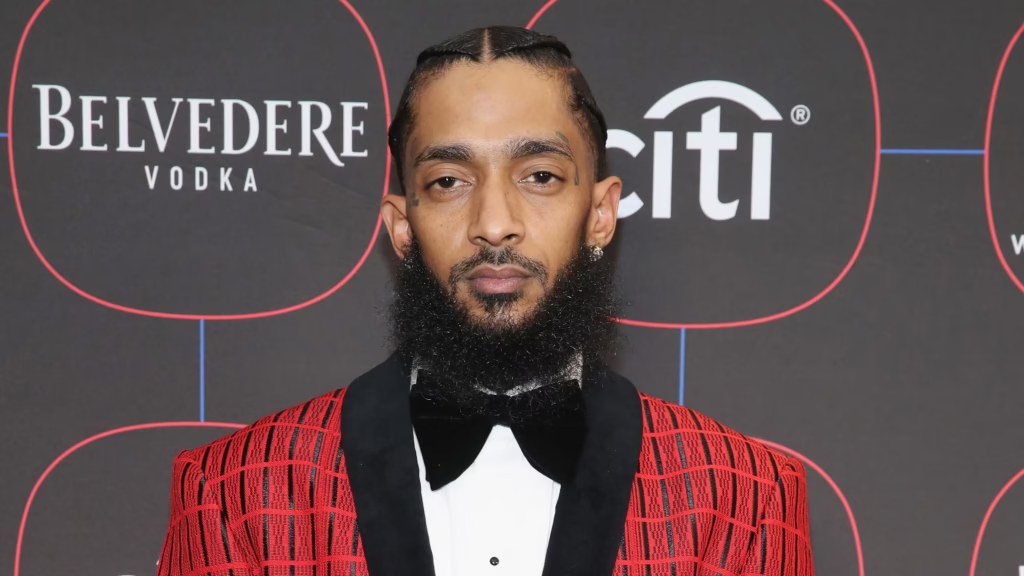
More than seven years after Nipsey Hussle was shot and killed outside his own Marathon Clothing store, his estate has been fully settled. His two children, 17-year-old Emani and 9-year-old Kross, have each received an equal share of a fortune now valued at approximately $11 million.
Why the Estate Looked Smaller Than It Was
Nipsey, born Ermias Asghedom, was killed on March 31, 2019, at age 33. His killer, Eric Holder, was convicted of first-degree murder and sentenced to 60 years to life in prison.
About eighteen months after his death, a court filing valued his formal probate estate at just $4.2 million, a number that undersold what he’d actually built. That figure valued his likeness at only $913,000 and excluded major categories of wealth entirely, including music publishing, unreleased recordings, master ownership, and assets he had already placed into trusts before he died. The probate number was never the real number.
Years of Dispute
The estate has been run by Nipsey’s older brother, Samiel “Blacc Sam” Asghedom. Settling it took years longer than the probate filing alone would suggest, dragged out by a guardianship and inheritance dispute between Blacc Sam and Tanisha Foster, the mother of Nipsey’s daughter Emani. That conflict was resolved last year, clearing the way for the final settlement.
What the Children Actually Inherited
The finalized estate, now valued at roughly $11 million, includes cash, a trademark portfolio built around the Marathon name, a 2012 Chevrolet Suburban, and interests in Nipsey’s business ventures, chief among them The Marathon Clothing Inc. Court documents show the assets were divided equally between Emani and her younger half-brother Kross, whom Nipsey shared with actress Lauren London.
A statement from the estate confirmed the assets have been distributed to their rightful beneficiaries.
The Detail That Explains the Whole Story
In the immediate aftermath of Nipsey’s death, several public figures, including former NFL running back Reggie Bush, offered financial support for his children. The family turned the offers down. Nipsey had already built enough, structured well enough, that his kids didn’t need it.
That decision looks better with every year that passes. Nipsey spent his career talking about ownership over royalties, equity over paychecks, buying the block instead of just performing on it. The Marathon Clothing store where he was killed sat in the same South Los Angeles neighborhood he grew up in, a physical bet on the idea that wealth built locally could stay local. Seven years, a murder trial, and a multi-year custody dispute later, that bet paid out exactly the way he intended: directly to his kids, not filtered through a fundraiser, a settlement, or anyone else’s generosity.