$5 Million
WHO HE WAS
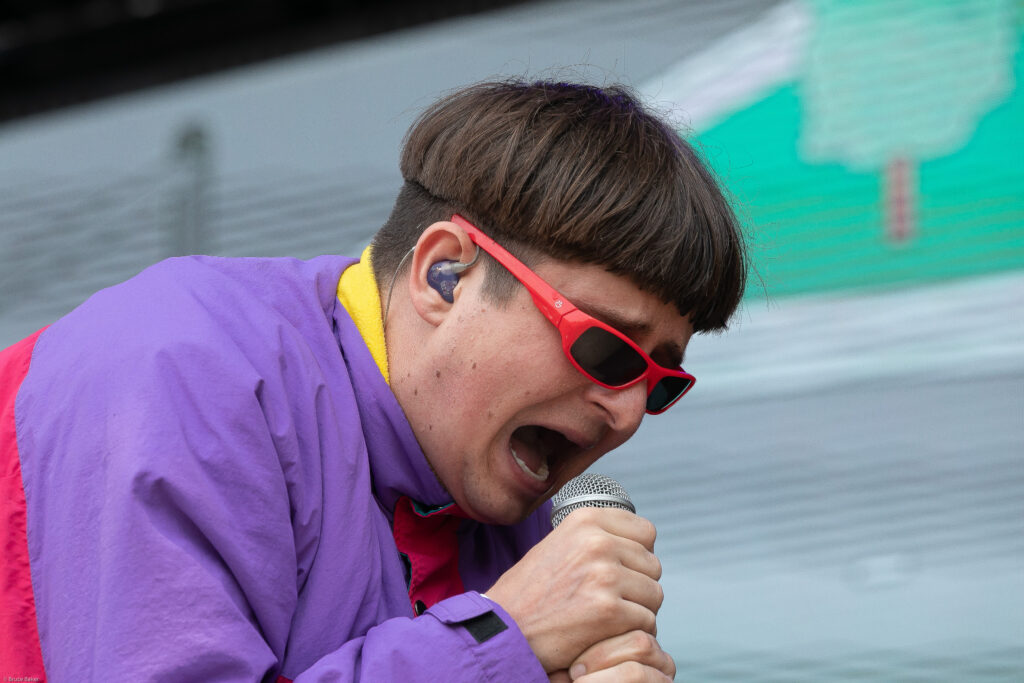
Born Oliver Tree Nickell on June 29, 1993 in Santa Cruz, California, Oliver Tree was a singer, songwriter, producer, filmmaker, and performance artist who turned internet absurdity into a genuine music career. Instantly recognizable by his bowl cut, tiny sunglasses, oversized windbreakers, and baggy JNCO jeans, he built one of the most distinctive personas in alternative pop, blending electronic music, comedy, stunt work, and online culture into something no one could quite categorize. He broke through in 2016 when “When I’m Down,” a collaboration with Whethan, went viral, signed to Atlantic Records, and went on to chart albums and rack up platinum hits. He died on June 14, 2026 in a helicopter crash in Brazil, at 32, in the middle of a world tour. His financial story is modest in dollars but pointed in its lesson, and it is the lesson this site returns to again and again.
1. RECORDED MUSIC AND THE OWNERSHIP PROBLEM
Tree generated enormous streaming numbers across hits like “Life Goes On,” “Miss You,” “Alien Boy,” and “Hurt,” with several platinum certifications and a debut album, “Ugly Is Beautiful” (2020), that reached number 14 on the Billboard 200. He followed it with “Cowboy Tears” (2022), “Alone in a Crowd” (2023), and his final album, “Love You Madly Hate You Badly” (2026).
But here is the crux of his net worth: as an Atlantic Records artist, he did not own his masters. The label kept the lion’s share of recorded-music revenue, leaving Tree a comparatively small royalty slice despite billions of streams.
Estimated lifetime recorded-music royalties (artist share): ~$3M
Estimated lifetime songwriting and publishing royalties: ~$3M
2. TOURING, HIS REAL ENGINE
Live performance was Tree’s largest income source. He toured aggressively and played major festivals, including Coachella in 2026, and his shows were elaborate, stunt-driven spectacles. That theatricality cut both ways: it drew crowds but carried heavy production costs.
Estimated net touring income over his career: ~$6M
3. YOUTUBE, SOCIAL, AND MERCH
With more than 15 million TikTok followers and millions more on YouTube and Instagram, Tree earned meaningfully from content and brand partnerships, and his absurdist persona moved a steady volume of merchandise.
Estimated lifetime social, brand, and merchandise income: ~$7M
4. TAX AND LIFESTYLE
As a California-based artist, Tree faced an effective tax rate near 45%, and the music industry’s representation layer, manager, agent, lawyer, and business manager, typically claimed around 25% of gross, well above an athlete’s capped fees. He also self-funded a share of his famously elaborate videos and stunts.
RICHPEEK ESTIMATE: $5 Million
| Calculation | Amount |
|---|---|
| Lifetime recorded-music royalties (artist share) | ~$3M |
| Plus songwriting and publishing royalties | +$3M |
| Plus net touring income | +$6M |
| Plus YouTube, social, brand deals, and merch | +$7M |
| Total gross career earnings | ~$19M |
| Minus representation (~25%) | -$4.75M |
| Minus tax (~45%, California) | -$6.4M |
| Minus lifestyle and self-funded production costs | -$5.2M |
| Available to accumulate | ~$2.65M |
| Plus owned publishing catalog and other assets | +$2.35M |
| Total Net Worth at time of death | ~$5M |
We land at $5 million.
Why we land where we do:
Celebrity Net Worth lists Tree at $4 million. We arrive just above, at $5 million, and independently. The difference is that we credit his songwriting and publishing catalog as a standalone asset, valued on a multiple of his annual publishing royalties, and account for the fresh income from his 2026 album and active world tour. The figures match closely not because we aimed at theirs, but because for a major-label artist who never owned his masters, the honest math simply doesn’t produce a large number, no matter how viral the songs.
The wealth that was never in the bank:
Oliver Tree’s balance sheet tells the same story as so many artists before him: he generated a fortune in streams and saw a fraction of it, because the masters belonged to the label, not the man who made them. Had he owned his recordings, this figure would read very differently. But it would be a mistake to measure Tree only in dollars. His actual legacy, the bowl cut, the scooter, the stunts, the refusal to ever be in on his own joke, was a body of work that turned sincerity and absurdity into the same thing, and it will keep streaming long after the tour that should have continued this summer. He was worth $5 million on paper. What he built was worth more than that, and it was never the kind of thing that fit in an account.